Gisela Lehmann · 22 October 2026
Polish Universities Address Ethics in Student Evaluation Through Forum Discussions
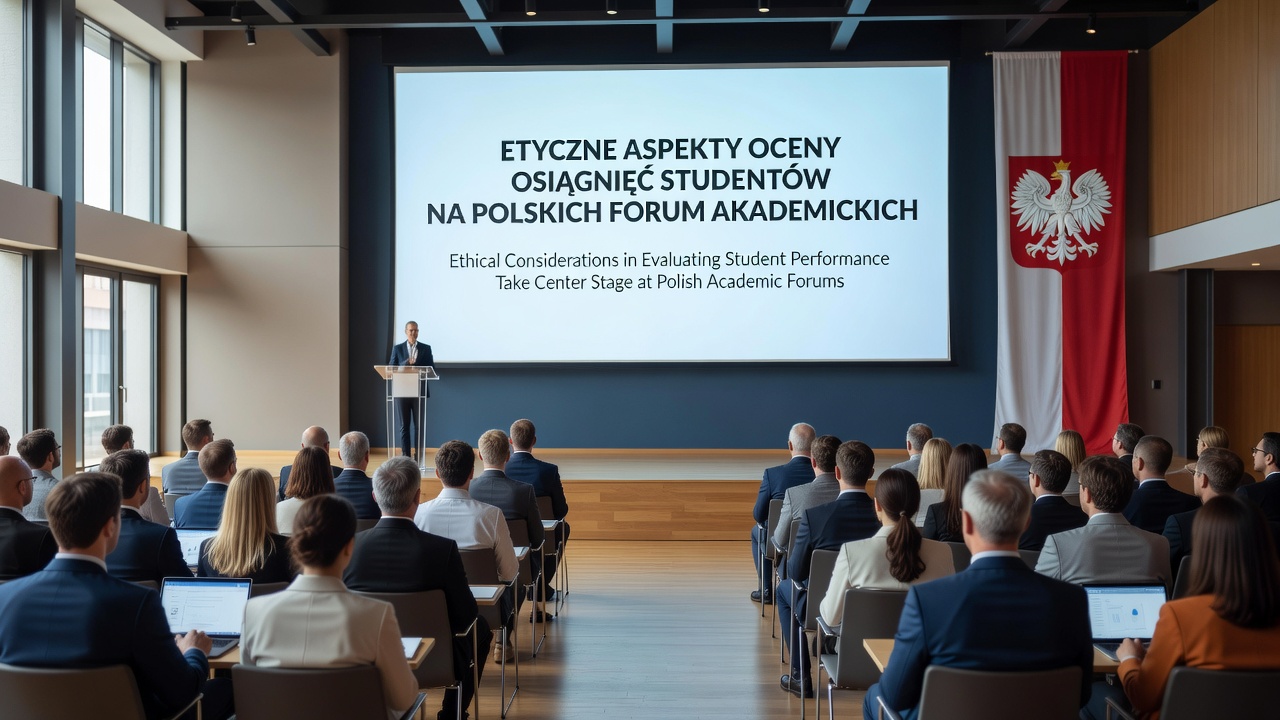
Academic forums across Poland have placed ethical considerations in evaluating student performance at the forefront of recent gatherings, with participants examining fairness, transparency, and bias reduction in assessment processes. These events bring together faculty members, administrators, and education researchers to review current practices and explore standardized approaches that align with national and European standards.
Background on Recent Forum Activities
Data from multiple Polish institutions shows increasing attention to evaluation ethics since 2024, as universities integrate feedback from national accreditation bodies and international frameworks. Forums held in major cities have featured presentations on grading consistency, the role of technology in assessments, and support for students from varied socioeconomic backgrounds. Researchers at these sessions often reference guidelines from the European Commission on inclusive education, which emphasize equitable treatment across diverse learner populations.
One recurring theme involves the integration of digital tools for grading while maintaining human oversight to prevent algorithmic bias. Participants reviewed case examples from institutions where automated systems flagged inconsistencies in essay scoring, prompting manual reviews that improved overall reliability. Such discussions connect directly to broader efforts in Polish higher education to update evaluation protocols ahead of planned policy reviews in October 2026.
Core Ethical Issues Under Examination
Observers note several focal points in these conversations, including cultural and linguistic influences on assessment outcomes, privacy protections for student data during evaluations, and methods to ensure impartiality when instructors assess their own research advisees. Studies conducted by Polish university consortia indicate that transparent rubrics reduce disputes by up to 30 percent in departments that adopted them systematically. Forums have also addressed how performance metrics interact with scholarship decisions, though institutions continue to separate these processes to uphold distinct criteria.
Take one working group that examined rural versus urban student access to preparatory resources. Their findings revealed measurable gaps in test preparation support, leading to recommendations for adjusted evaluation timelines that account for such disparities without altering core standards. Another panel explored the use of peer review elements in grading, which some departments have tested to distribute evaluation responsibility and enhance student engagement with feedback processes.
Role of Data and External Benchmarks
Evidence from collaborative projects among Polish universities demonstrates that shared databases for tracking assessment trends help identify patterns in grading disparities. These initiatives draw on methodologies promoted by organizations such as the OECD education directorate, which provides comparative data on evaluation practices across member countries. Forums incorporate these insights to refine local policies, particularly as institutions prepare updates for the 2026 academic cycle.
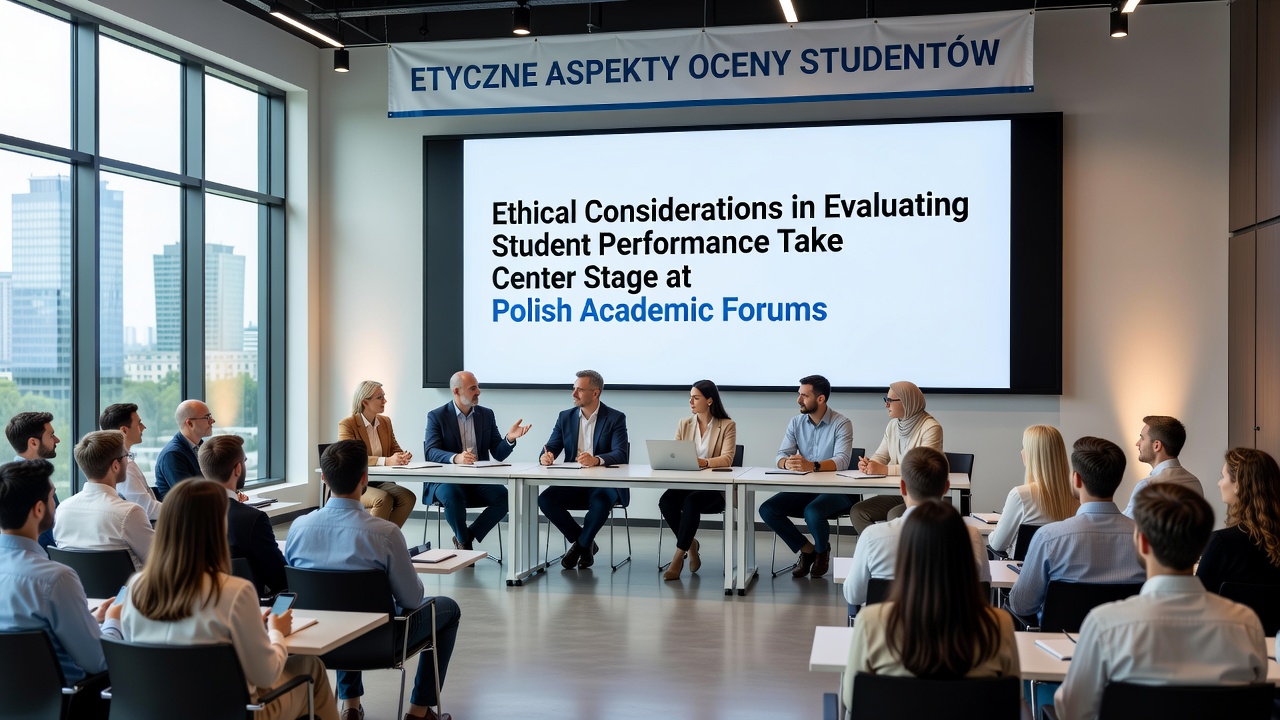
Additional input comes from reports issued by the Polish Ministry of Science and Higher Education, which track compliance with ethical guidelines in assessment. Participants at recent events highlighted how these national figures align with findings from Canadian research centers on inclusive grading, allowing for cross-regional learning without direct policy borrowing. This approach supports the development of context-specific solutions tailored to Poland's higher education landscape.
Implementation Examples and Next Steps
Universities in several regions have begun piloting revised evaluation frameworks based on forum outcomes. These include mandatory ethics training for new faculty and the creation of oversight committees that review random samples of graded work for consistency. Data collected during these pilots shows improved student satisfaction scores in departments that communicate evaluation criteria clearly at the start of each term.
Yet implementation varies by institution size and resources, with smaller schools often adapting larger university models through inter-institutional partnerships. Forums scheduled through late 2025 continue to build on these experiments, focusing on scalable tools that maintain academic rigor while addressing equity concerns raised in earlier sessions.
Conclusion
Polish academic forums continue to advance structured conversations around ethical student evaluation, drawing on empirical data and cross-institutional collaboration to inform practical changes. As preparations advance toward October 2026 policy considerations, the emphasis remains on transparent methods that support consistent, impartial assessment across the country's universities. These ongoing efforts reflect a sustained commitment to refining performance evaluation practices in line with evolving educational standards.