Rafael Günther · 10 September 2026
Performance Metrics Drive Changes in Educational Opportunities for Rural Students in Poland
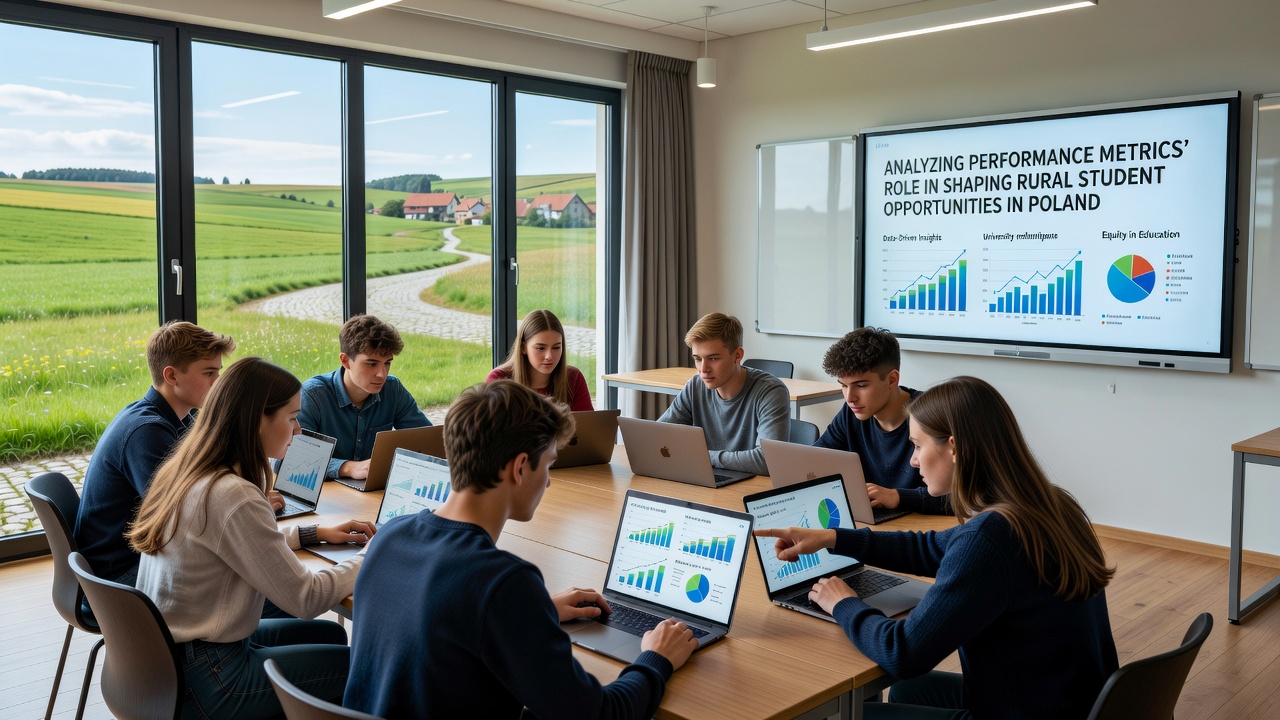
Performance metrics have become central tools in Polish education policy, where standardized test scores, graduation rates, and regional enrollment figures guide decisions about resource allocation and program development for students outside major cities. Data from national assessments reveal persistent gaps between urban and rural areas, with rural students often showing lower average results on exams like the matura, which influences university admissions and scholarship eligibility across the country.
Researchers track these indicators through systems managed by the Polish Ministry of Education and Science, and they use the information to identify districts where additional support might improve access to advanced courses or extracurricular activities. In regions such as Podlaskie and Lubelskie, for example, lower participation in international assessments like PISA has prompted targeted interventions that focus on teacher training and digital infrastructure upgrades.
Key Metrics Used in Rural Education Analysis
Authorities compile several core indicators each academic year, including average scores on national examinations, dropout rates before secondary completion, and the percentage of students advancing to higher education institutions. These figures come from centralized databases that allow comparisons across voivodeships, and analysts cross-reference them with socioeconomic data to highlight where rural communities face barriers related to transportation or limited school offerings.
Figures from recent reporting cycles show that rural schools in eastern Poland often report participation rates in STEM competitions that lag behind those in Warsaw or Kraków by notable margins, prompting discussions about equitable distribution of lab equipment and qualified instructors. Observers note that when metrics indicate underperformance in specific subjects, regional authorities can redirect funds toward after-school programs or partnerships with nearby universities.
Impact on Student Pathways and Access
Performance data directly affects how opportunities unfold for individual students because many scholarship programs and university entry requirements rely on these quantitative benchmarks. Rural applicants who meet or exceed certain thresholds gain access to merit-based aid, while those in lower-performing districts may encounter fewer options unless additional contextual factors receive consideration during review processes.
One study released by European education networks found that incorporating regional performance adjustments helped increase rural enrollment in selective programs by measurable percentages over a five-year span. Such adjustments account for variables like average class sizes and internet connectivity levels, which frequently differ between countryside locations and metropolitan centers.

Schools that demonstrate improvement through these tracked metrics sometimes qualify for extra funding streams, creating incentives for local administrators to prioritize measurable outcomes. Yet challenges remain when metrics overlook qualitative aspects such as student motivation or community involvement, which researchers suggest play significant roles in long-term success.
Developments Anticipated for September 2026
Policy updates scheduled to take effect in September 2026 will introduce refined weighting formulas that place greater emphasis on progress metrics rather than absolute scores alone. These changes, outlined in preliminary guidelines from national education bodies, aim to recognize growth in rural districts where baseline performance starts from lower points due to infrastructure limitations.
Analysts expect the revised approach to expand eligibility for certain grants and exchange programs, particularly those involving collaboration with institutions in other EU member states. Data collected through 2025 will serve as the foundation for these adjustments, allowing planners to set realistic targets based on historical trends across different rural typologies.
Examples from Regional Initiatives
In one documented case from the Warmian-Masurian Voivodeship, consistent monitoring of attendance and completion rates led to the creation of mobile tutoring units that travel between smaller villages. The initiative correlated with a rise in students pursuing technical vocational tracks, according to reports compiled by local statistical offices.
Similar efforts in the Świętokrzyskie region integrated performance dashboards into parent-teacher meetings, providing families with clearer pictures of how individual results connect to broader opportunity structures. Such transparency measures have drawn attention from international observers studying education equity models.
Links to external analyses appear in discussions around these programs, including references to European Commission strategic framework documents that compare approaches across member countries and OECD education indicators that place Polish rural-urban disparities in a wider context.
Conclusion
Performance metrics continue to shape the landscape of educational opportunities available to rural students throughout Poland by informing funding decisions, program design, and admission processes. Ongoing refinements, including those planned for September 2026, reflect efforts to balance quantitative accountability with recognition of local conditions that influence outcomes. As data collection methods evolve, stakeholders across regions will likely examine how these tools can further narrow gaps while supporting diverse pathways to higher education and professional development.